


The Complete Guide to Channel Letter Signs for North Shore MA Businesses
What are channel letters, and are they right for your business?
Channel letters are individually fabricated letters or logos mounted to a building façade, often illuminated for day-and-night visibility. They are a strong choice for North Shore storefronts, medical offices, restaurants, retailers, and multi-tenant plazas that need durable, professional exterior signage that can be seen clearly from the road.
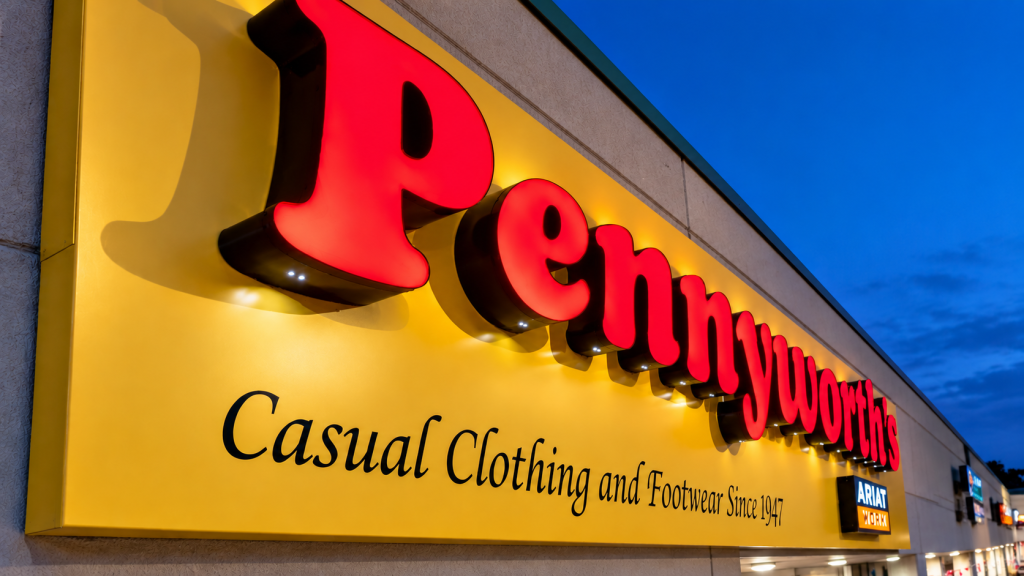
Channel letters create high-visibility storefront identification
Channel letters are one of the most recognizable types of exterior business signage because each letter is built as its own dimensional form. Unlike a flat panel sign, channel letters add depth, shadow, lighting, and architectural presence to a storefront.
For businesses in Peabody, Salem, Beverly, Danvers, and surrounding North Shore communities, channel letters are especially useful when customers need to identify a location quickly from a road, parking lot, or busy shopping plaza. They are common for retailers, restaurants, medical practices, fitness studios, service businesses, and commercial tenants that depend on walk-in visibility.
A well-designed channel letter sign does three jobs at once:
1. It identifies the business clearly.
2. It reinforces the brand’s color, shape, and style.
3. It helps customers find the entrance with less friction.
That matters because an exterior sign is not just decoration. It is an asset for always-on visibility and branding
Illuminated channel letters help businesses compete after dark
Many North Shore businesses operate in visually crowded environments. On a busy road or in a multi-tenant shopping plaza, most neighboring businesses already have illuminated storefront signs. If one business does not, it can become harder for customers to notice, locate, and remember.
Client insight from Northshore Custom Signs
Northshore Custom Signs shared this firsthand guidance for the article:
“On a busy road or in a multi-tenant shopping plaza, just about every business has an illuminated channel letter sign. To a certain extent, you need to ‘keep up with the Joneses.’ If you are the only business without an illuminated channel letter sign, it can be very difficult for prospective customers to notice and find your business. In a busy environment, a larger, more vibrant sign with a distinctive shape and color can help. Day-night dual-color face panels can use perforated vinyl film to look equally good in daylight and when illuminated at night. Rear halo lighting can also create a glowing effect behind the sign. There are several ways to design a channel letter sign so it stands out among nearby signs.”
That field perspective illustrates why an important first step is for the signage professional to conduct a site survey. While surveying the physical location of the sign, a sign expert can evaluate viewing distance, neighboring illumination, shape and color contrast, and day-versus-night performance before fabrication.
If you are evaluating outside signs for business, channel letters should be on the shortlist when storefront visibility is the priority.
Need help choosing the right exterior sign type? Northshore Custom Signs provides sign strategy, design, fabrication, permitting guidance, and professional installation for commercial signage across the North Shore. Start with the Channel Letters product page to review the solution, then connect with the team to discuss your building, brand, and visibility goals.
The right lighting style depends on brand, location, and viewing distance
Channel letters can be built in several lighting configurations. The right choice depends on how the sign needs to perform, not just how it looks in a rendering.
| Channel Letter Type | Best Fit | Visual Effect |
| Front-lit channel letters | Retail stores, restaurants, service businesses, plazas | Bright, direct illumination through the letter faces |
| Halo-lit channel letters | Professional offices, healthcare, hospitality, higher-end retail | Softer glow behind the letters for a refined appearance |
| Combination-lit channel letters | Brands that need strong visibility with an upscale finish | Front illumination plus rear glow |
| Non-illuminated channel letters | Daytime-only visibility or restricted properties | Dimensional branding without internal lighting |
Front-lit letters are often the practical choice when maximum visibility is needed from a road or parking lot. Halo-lit letters can feel more polished and architectural, especially on clean façades or professional buildings. Combination-lit signs deliver both impact and atmosphere, but they require thoughtful design so the lighting does not feel excessive.
Your sign design decision should account for:
• Traffic speed near the property
• Viewing distance from the road or parking lot
• Surrounding sign brightness
• Brand personality
• Landlord or property standards
• Local sign regulations
• Long-term maintenance access
Building conditions shape the best mounting method
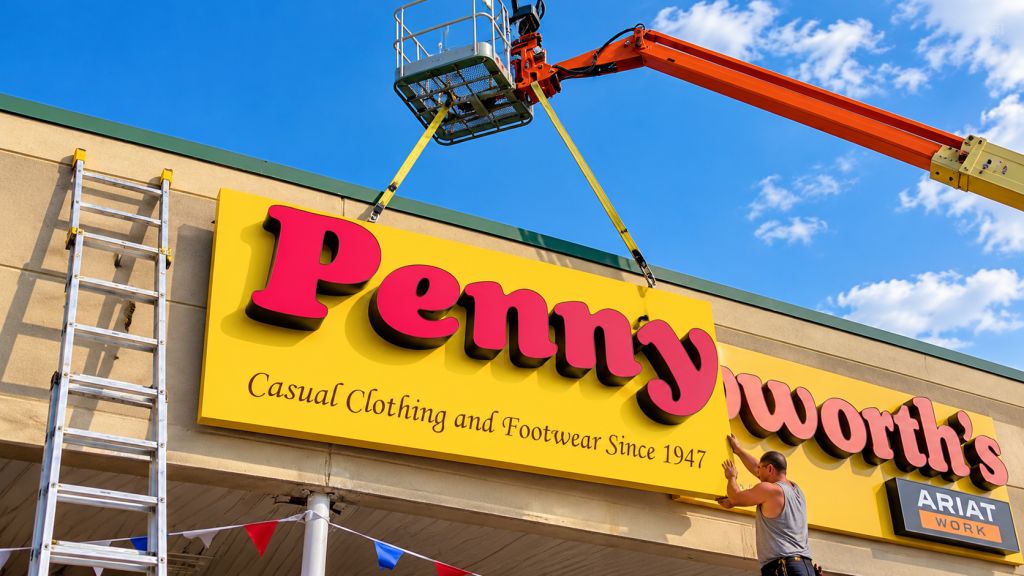
Channel letters are not designed in isolation. The building often dictates what is possible, advisable, or allowed.
A flush-mounted channel letter sign attaches each letter directly to the façade. This can create a clean, premium look, but it may require more penetrations through the wall for mounting and electrical access. A raceway-mounted sign places the letters on a narrow cabinet or rail that contains wiring and reduces the number of penetrations into the building surface.
Neither approach is automatically better. The correct choice depends on the property.
A raceway may be appropriate when:
• The landlord wants fewer façade penetrations
• The wall surface is difficult to access
• Electrical routing needs to be simplified
• The building has tenant turnover and future sign changes are likely
Flush mounting may be appropriate when:
• The property requires a cleaner architectural appearance
• The wall can support the installation method
• The sign design needs a more custom, integrated look
• The landlord or brand standards prohibit raceways
This is where working with a local sign partner matters. A sign that looks good on paper can create problems if the mounting strategy ignores brick, masonry, EIFS, metal panels, electrical access, or landlord requirements.
Permitting and code review should happen before fabrication
Channel letters are exterior signs, which means they may be subject to municipal sign codes, landlord criteria, zoning limits, illumination rules, and electrical requirements. On the North Shore, requirements can vary by city, town, district, property type, and building use.
Before fabrication begins, the municipal planning & development department, building commissioner, or zoning board will want to verify:
1. Allowed sign area and placement
2. Illumination restrictions
3. Mounting requirements
4. Landlord or property management approval
5. Electrical access and service needs
6. Local permit requirements
7. Installation safety conditions
Skipping this step can delay an opening, force redesigns, or create avoidable rework. Northshore’s consultative process is designed to reduce those risks by aligning design, fabrication, permitting guidance, and installation before the sign goes into production.
Businesses with interior compliance needs should also consider whether exterior identification is cohesive with interior directional signs, room identification, or ADA signage once visitors enter the building.
Quality craftsmanship affects durability and maintenance
Channel letters live outdoors in New England weather. That means materials, fabrication quality, lighting components, and installation details all matter.
A quality channel letter sign should be built for:
• Clean letter forms and consistent spacing
• Durable faces and returns
• Reliable UL certified lighting components
• Weather-resistant construction
• Secure mounting
• Serviceable electrical access
• Legibility during both day and night
Cheap channel letters often reveal themselves through uneven illumination, poor spacing, thin-looking construction, fading faces, visible installation shortcuts, or lighting failures. From the road, those details affect how professional the business appears.
For property managers and business owners, the goal should not be simply to buy a sign. The goal is to install a durable visibility system that supports the brand every day.
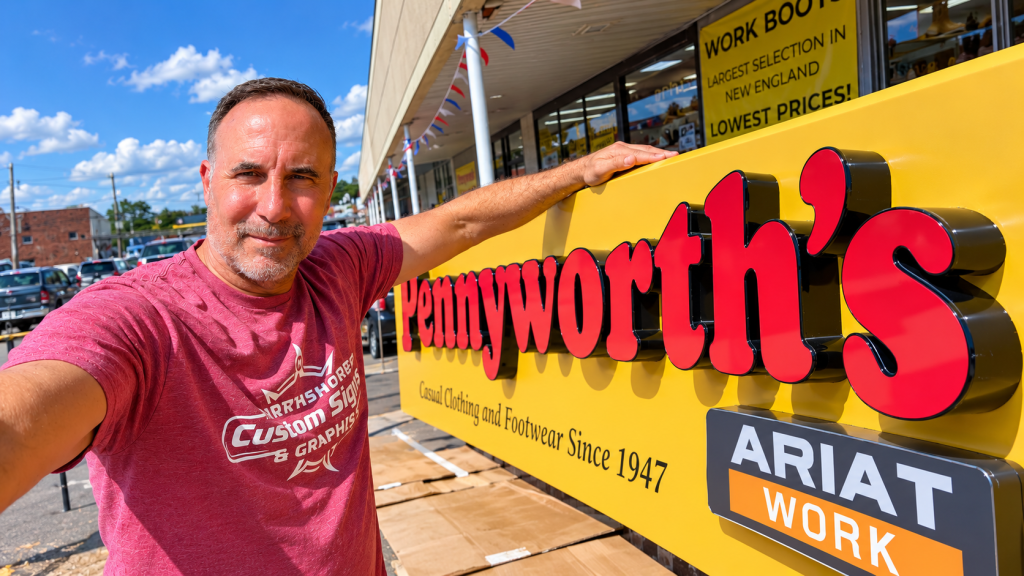
A simple decision checklist prevents costly sign mistakes
Use this checklist before approving a channel letter design:
• Can the sign be read quickly from the main approach direction?
• Does the size fit the viewing distance and façade?
• Will the sign stand out from neighboring businesses?
• Does the lighting style match the brand image?
• Has the landlord approved the mounting method?
• Have local sign rules and permit requirements been reviewed?
• Is the electrical plan practical and serviceable?
• Will the sign look professional during the day and at night?
• Are the materials appropriate for New England conditions?
• Does the design leave room for future maintenance?
If the answer is unclear on any of these points, pause before fabrication. Fixing the strategy early is far easier than correcting a finished sign.
Frequently asked questions about channel letters
Are channel letters good for small businesses?
Yes. Channel letters are often a strong choice for small businesses that rely on local visibility, walk-in traffic, or easy customer wayfinding. They can make a storefront look more established and help customers identify the business quickly from a street, plaza, or parking lot.
Are illuminated channel letters worth it?
Illuminated channel letters are usually worth considering when a business is open after dark, located in a busy retail area, or surrounded by other illuminated signs. If nearby competitors are lit and your sign is not, your storefront may be harder to notice. When considering your budget and the return on investment of channel letter signs, you should consider that these signs are always-on branding and wayfinding mechanisms that continue to perform those functions over the span of many years.
What is the difference between channel letters and dimensional letters?
Channel letters are dimensional letters that are typically fabricated to hold lighting components, though they can also be non-illuminated. Dimensional letters are a broader category and may include acrylic, metal, PVC, or other letters used indoors or outdoors without internal illumination.
Do channel letters require permits in Massachusetts?
Most exterior channel letter signs require local review or permits, but the exact requirement depends on the municipality, property, zoning district, size, placement, and illumination. A professional sign company should review these requirements before fabrication and installation.
Can channel letters be installed on any building?
Not always. Wall material, structural conditions, electrical access, landlord rules, and local codes can affect whether channel letters can be installed on a building facade, and whether they can be flush mounted or raceway mounted. A site-specific review is the safest first step.